Essay 2#
Walker Percy, Paulo Freire, and Wes Anderson are all preoccupied with a problem at the heart of education: the relationship between authority and learning. Each text asks in its own way what happens to understanding and experience when it is mediated by institutions, experts, curricula, and received ideas.
Choose two of these texts and write an essay that uses them together to identify and explore a specific problem, question, or tension that this shared preoccupation raises for you. Hopefully, an original idea for this paper will emerge from your work of reading the texts in one or more our established modes. Explore these texts in whatever way makes sense. Pursue an idea of your own choosing. Construct an essay of your own design.
You do not need to summarize the texts for your audience. Instead, let them dialogue with each other, think against or with each other, in service of an idea you are trying to work out. The best essays will have a claim of their own: something you are arguing, not just something you are reporting or summarizing. You are not required to agree with your chosen texts (or pretend to), only to take them seriously. Avoid the temptation to simply catalogue similarities and differences; this is not a rudimentary compare/contrast essay. Avoid the idea that your purpose is to merely say that one text is “better” than the other. The more interesting approach is to ask: what can these two texts do together that neither can do alone? When I place them together, what do these texts help me see? What do they make possible? Does one text uncover something of interest in the other that was hard to see without it?
Your argument will depend on deep textual analysis and close reading. Return to the texts. Identify specific moments or passages that will serve your inquiry or help make your case. Explain to your audience how those moments, when brought together, uncover something worth our consideration.
Analyzing Visual Media#
Need Help Close Reading Film?
- | Here’s a great explainer that will help you become an insufferable cinéaste know-it-all who tells people at parties what their favorite movies are really about.
Although it may sound odd, it will be helpful to consider film as being a text: a complex arrangement of discrete signifiers orchestrated to create something intelligible, meaningful, interpretable. The process of reading a film is very much like our approach when reading an article or book. If we imagine that every aspect of the film was a choice by the filmmaker(s), what do these choices add up to? Consider the effects that these choices have on what may, or may not, be said or argued about the film. If we consider all of these various aspects of the film as evidence, what argument(s) do they support? Is there a particular interpretation that you believe best unites all of these disparate aspects into a plausible explanation? If not, what do you make of those recalcitrant features that you can’t seem to fit into your theory about the text?
Two important principles should guide our efforts to decode the text: first, when we say that the film’s various features have been orchestrated by its creator(s), we should resist the notion that there is therefore only one “right” or “correct” answer to its meaning; secondly, although we are free to interpret the text before us as we choose, not every argument may be reasonably supported by it. This leaves us in a rhetorical situation—a space where we must defend our reading of the text to our audience using argumentation and by marshaling evidence drawn from the text itself.
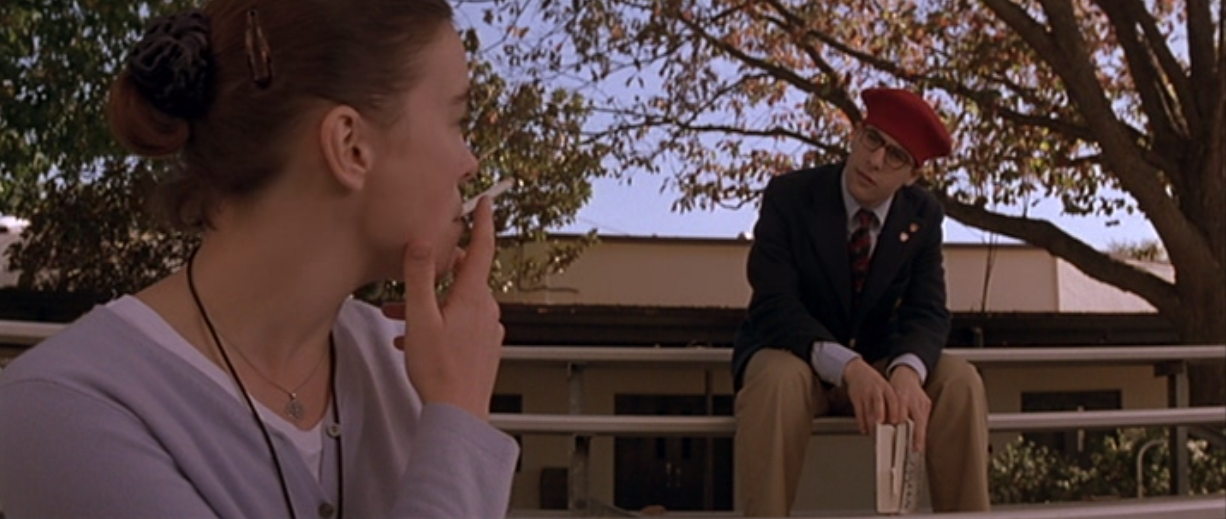
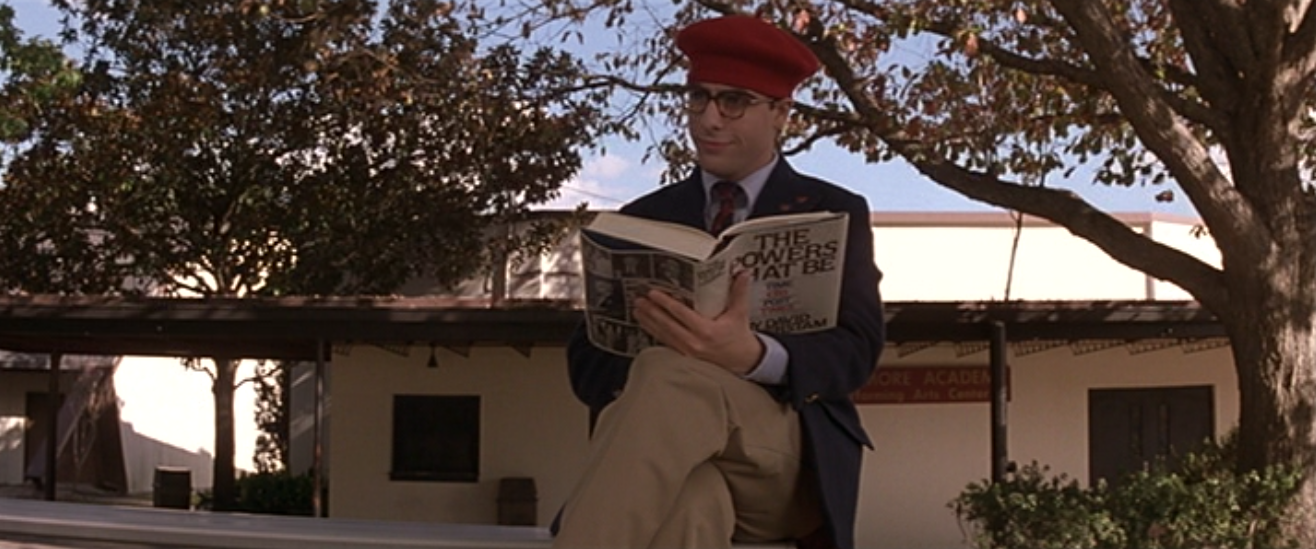
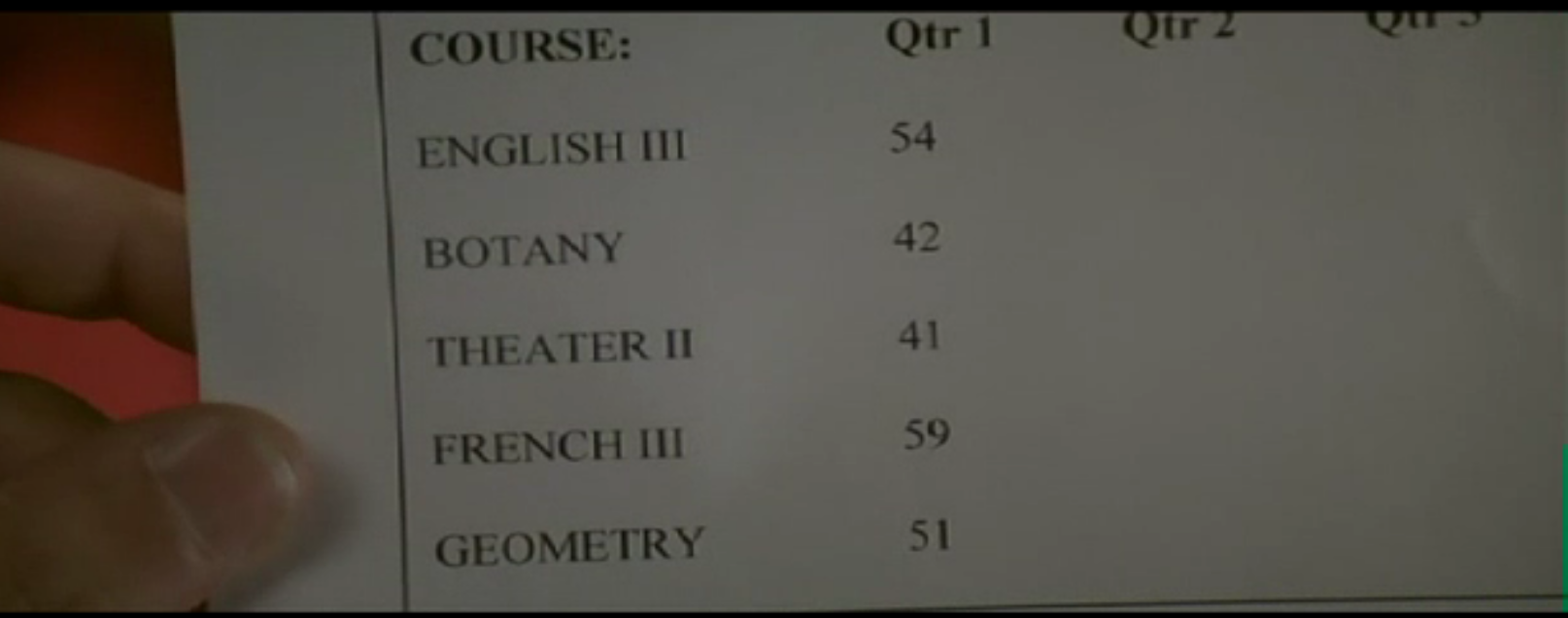
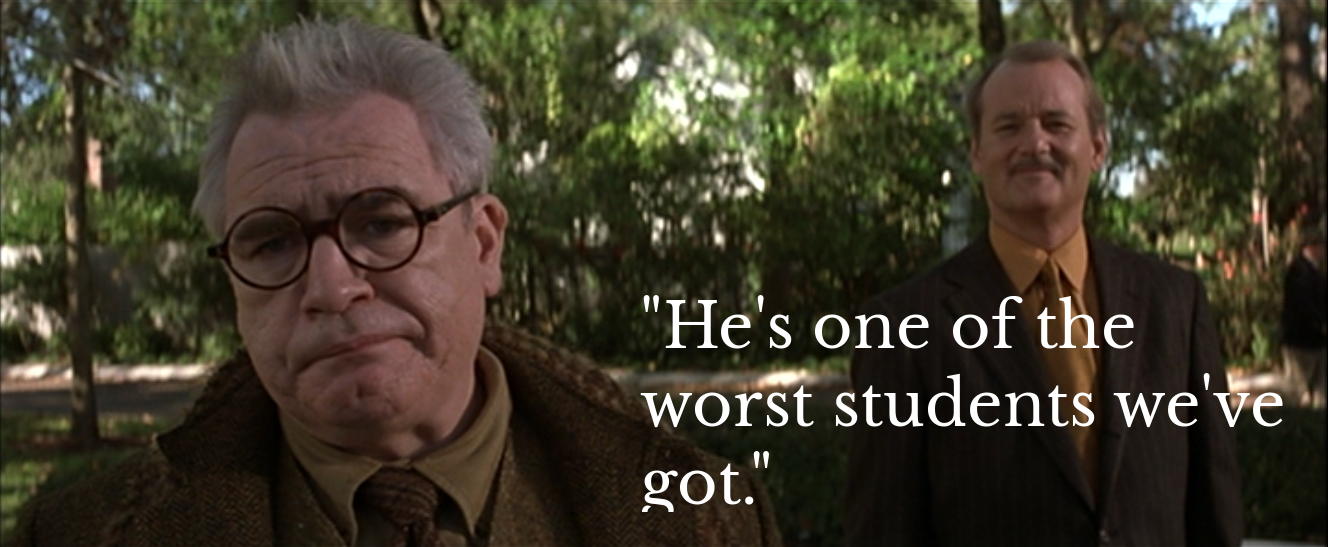
We frequently have a certain interpretive context in mind when we approach a text or artifact for close reading. While there are innumerable ways to view this particular film, we will examine it within the interpretive context of our conversation about education. What does the film have to say about the purpose and experience of education? Its disciplinary effects? Our relationship to its various authorities (people, institutions, knowledge, texts)? Are there certain scenes that seem to stand out as contributions to, or extensions of, our prior conversations? How might we string several of these scenes together to create a “reading” or interpretation of the film’s global meaning(s) that accords with the interpretive context of our class?
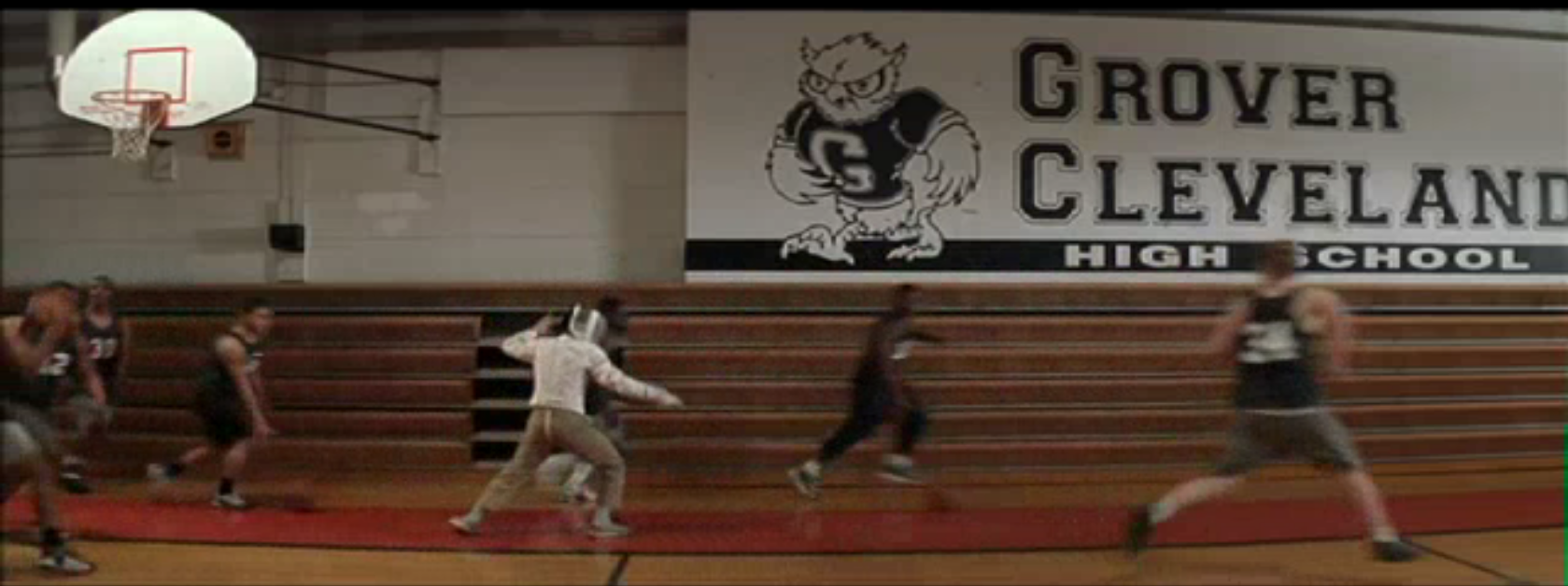
Since film is a visual medium, the evidence we cite to support our arguments may involve things like costuming, lighting, camera angles, framing, editing, lens choice, perspective, blocking (how the actors move about in space), color, sound, music, performance, etc. How do these components of the text work together to produce the meaning we detect?
Keep in mind that a close reading should not be impressionistic (‘This film sucks!’ or ‘I love it!’); or evaluative (‘This idea is important’); instead, it should focus simply on explaining to your audience what the the text (or some part of it) means by meticulously pointing to how it is constructed to produce the meaning you observe.
Workshop: Analyzing Visual Media